
Mon - Sat: 9:30 - 18:00
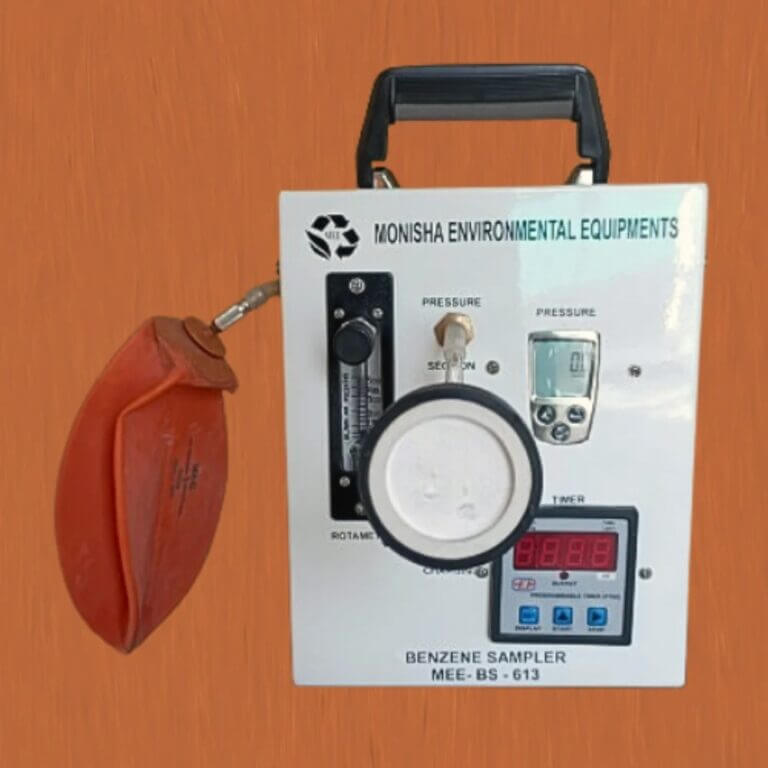
At SIMA LABS, Volatile Organic Compounds (VOC) sampling is conducted using advanced air sampling instruments coupled with Gas Chromatography (GC) systems equipped with FID (Flame Ionization Detector) or Mass Spectrometry (GC-MS) for precise identification and quantification. VOCs are critical indicators of air quality, material emissions, occupational exposure, and potential health hazards, making their analysis essential across environmental, industrial, and regulatory domains.
Key Offerings:
- VOC sampling using Sorbent Tubes, Canisters, or Tenax Tubes
- GC-FID and GC-MS-based VOC identification and quantification
- Analysis as per US EPA, CPCB, NIOSH, and OSHA standards
- Indoor and ambient air quality testing
- VOC screening in packaging materials, paints, coatings, and adhesives

Environmental Monitoring
VOC levels in ambient air, urban pollution studies
Industrial Hygiene
Emissions from manufacturing processes, paint booths, and storage tanks
Material Testing
VOC emissions from construction materials, polymers, packaging, and consumer goods
Occupational Health & Safety
Workplace exposure assessment in industries handling solvents, fuels, or volatile chemicals
Indoor Air Quality
VOC contamination in residential, commercial, and office spaces
Pharmaceutical & Food Industry
VOC detection in raw materials, cleanrooms, and packaging environments
Applications
VOCs are organic chemicals that easily vaporize at room temperature. Monitoring is essential due to their impact on health, air quality, and regulatory compliance.
Air is drawn through sorbent tubes or collected in canisters, followed by analysis using GC-FID or GC-MS to determine VOC concentration and composition.
SIMA follows internationally recognized methods such as US EPA TO-15, TO-17, and NIOSH 1501, along with CPCB guidelines.
Yes, targeted analysis can be conducted for regulated or hazardous VOCs including formaldehyde, benzene, toluene, xylene, and many others.
Typical sampling volumes range from 1 to 10 liters depending on the method and detection limits required.
Frequently Asked Questions
Our FAQ section provides quick answers to the most common queries about our products, services, and policies. Whether you’re looking for information on ordering, shipping, customization, or support, you’ll find clear and concise responses to help you get the details you need—fast.
Get In Touch
At SIMA LABS, we’re proud to offer our expertise in analysis and research to help you find the right solutions.